
Structural Osteopathy: Strengthening Your Body’s Foundation
Imagine your body as a building. For a building to stand strong, it needs a solid foundation. Similarly, for your body to function optimally, your bones, joints, and muscles must be aligned and balanced. This is where structural osteopathy comes in. Often described as the cornerstone of osteopathic practice, structural osteopathy focuses on restoring balance and proper function to the body’s musculoskeletal system.
In this comprehensive guide, we’ll explore everything you need to know about structural osteopathy — what it is, how it works, its benefits, the conditions it can treat, and why it may be the right choice for you.
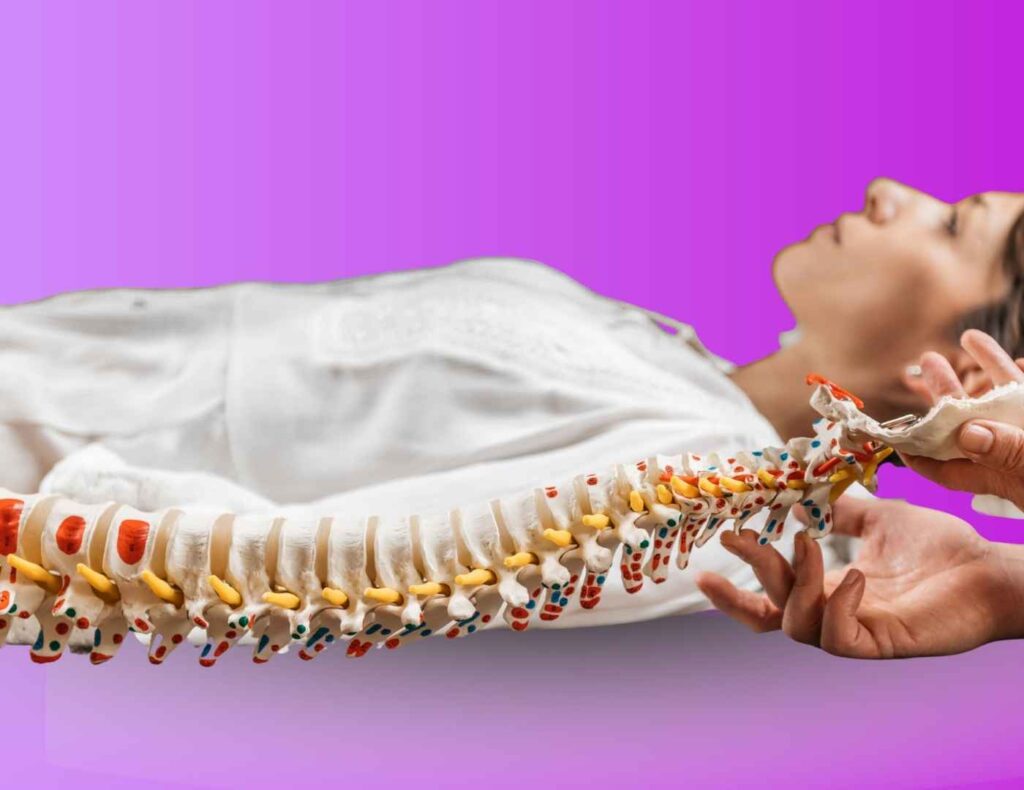
What Is Structural Osteopathy?
Structural osteopathy is a branch of osteopathy that emphasizes the alignment and function of the musculoskeletal system — bones, joints, muscles, ligaments, and connective tissues. By using hands-on techniques, structural osteopaths identify and correct imbalances that may be causing pain, stiffness, or reduced mobility.
Unlike treatments that only target symptoms, structural osteopathy looks at the root cause of the problem. Whether you’re dealing with chronic back pain, poor posture, or an injury, the osteopath works to restore your body’s natural balance.
The Principles of Structural Osteopathy
Osteopathy is guided by a set of core principles, and structural osteopathy reflects these values in practice:
-
The Body as a Whole
Every part of the body is connected. A misalignment in one area, like your hips, can affect another, such as your spine or knees. -
Structure Governs Function
If the body’s structure (bones, joints, muscles) is out of balance, it affects how the body functions. -
The Body’s Ability to Heal
The body has an incredible ability to self-heal when given the right conditions and support. -
Treatment Tailored to the Individual
No two patients are the same. A structural osteopath tailors each treatment to suit the patient’s unique body and needs.
Techniques Used in Structural Osteopathy
Structural osteopathy relies on a wide variety of hands-on methods to restore balance. Common techniques include:
-
Joint Mobilization – Gentle movements to restore range of motion.
-
Spinal Manipulation – Realigning vertebrae to improve nervous system function.
-
Muscle Energy Technique (MET) – Using the patient’s own muscle contractions to relax tight areas.
-
Soft Tissue Massage – Reducing tension and improving blood flow.
-
Stretching Techniques – Increasing flexibility and correcting postural imbalances.
-
Myofascial Release – Releasing tension in connective tissues.
Conditions Structural Osteopathy Can Help Treat
Structural osteopathy is used to manage and treat a wide range of conditions, including:
-
Back pain and sciatica
-
Neck and shoulder pain
-
Joint stiffness and arthritis
-
Poor posture
-
Sports injuries
-
Headaches and migraines (caused by musculoskeletal imbalances)
-
Repetitive strain injuries (RSI)
-
Chronic muscle tension
Many patients also find that structural osteopathy improves their overall energy levels and sense of well-being.
Benefits of Structural Osteopathy
1. Pain Relief
One of the most immediate benefits is relief from acute and chronic pain. By realigning joints and reducing muscle tension, osteopathy restores comfort.
2. Improved Posture
Postural problems are common in today’s world due to desk jobs and technology use. Structural osteopathy corrects imbalances, making it easier to stand tall.
3. Enhanced Mobility and Flexibility
Whether you’re an athlete or just want to move without stiffness, structural osteopathy helps improve range of motion.
4. Stress Reduction
Tension in the body often leads to mental stress. Osteopathy releases physical tightness, which reduces overall stress levels.
5. Supports Recovery
From sports injuries to post-surgical rehabilitation, structural osteopathy supports faster and more complete recovery.
6. Whole-Body Wellness
Because osteopathy works holistically, many patients notice improved sleep, better digestion, and higher energy levels after treatment.
Structural Osteopathy vs Other Therapies
| Therapy | Focus Area | Key Difference from Structural Osteopathy |
|---|---|---|
| Physiotherapy | Rehabilitation and exercises | Osteopathy uses manual techniques rather than exercise-based rehab. |
| Chiropractic Care | Spine alignment and nervous system | Chiropractic often focuses on the spine, while osteopathy treats the entire musculoskeletal system. |
| Massage Therapy | Muscles and soft tissues | Osteopathy works on deeper structural alignment, not just muscle relaxation. |
| Acupuncture | Energy meridians and pain relief | Osteopathy is manual and structural, not energy-based. |
What to Expect During a Structural Osteopathy Session
-
Initial Consultation
-
Your osteopath will discuss your medical history, symptoms, and lifestyle.
-
They’ll perform a physical examination to identify imbalances.
-
-
Treatment Plan
-
A customized plan is created, focusing on restoring balance and function.
-
-
Hands-On Treatment
-
Techniques such as joint mobilization, manipulation, or stretching are applied.
-
-
Advice and Aftercare
-
Osteopaths may recommend exercises, lifestyle changes, or posture corrections to support long-term results.
-
Is Structural Osteopathy Safe?
For most people, structural osteopathy is a safe, non-invasive treatment. However, it’s important to consult a qualified osteopath who has undergone professional training.
Precautions:
-
Certain medical conditions (such as severe osteoporosis, fractures, or infections) may not be suitable for osteopathy.
-
Always disclose your full medical history to your practitioner.
Who Can Benefit from Structural Osteopathy?
Structural osteopathy is suitable for people of all ages, including:
-
Office workers with posture-related pain.
-
Athletes recovering from or preventing injuries.
-
Older adults managing stiffness and arthritis.
-
Students dealing with headaches and stress.
-
New mothers recovering from pregnancy-related musculoskeletal changes.
Structural Osteopathy and Posture Correction
Poor posture is a growing problem, especially in the digital era. Sitting at desks, using smartphones, and lack of movement all contribute to postural imbalances. Structural osteopathy directly addresses:
-
Rounded shoulders
-
Forward head posture
-
Pelvic imbalances
-
Spinal curvature issues
With treatment, many patients experience not only less pain but also improved confidence through better posture.
The Future of Structural Osteopathy
As more people seek holistic and non-invasive approaches to health, structural osteopathy continues to gain recognition worldwide. With its focus on long-term well-being, it bridges the gap between conventional medicine and natural healing.
FAQs About Structural Osteopathy
1. How many sessions do I need?
It depends on your condition. Some patients feel relief after 1–2 sessions, while chronic issues may require ongoing care.
2. Does treatment hurt?
Most techniques are gentle. Some patients may feel mild soreness afterward, similar to post-exercise discomfort.
3. Can I combine osteopathy with other treatments?
Yes, osteopathy often complements physiotherapy, massage, or medical treatment.
4. Is osteopathy only for back pain?
No — it treats the entire musculoskeletal system, from head to toe.
5. Do I need a referral?
In most countries, you can visit an osteopath directly without a referral.
Conclusion
Structural osteopathy is more than just a treatment for pain — it’s a proactive way to support your body’s foundation, improve posture, and promote long-term wellness. Whether you’re struggling with chronic back pain, recovering from an injury, or simply looking to move and feel better, structural osteopathy offers a safe, holistic, and effective solution.
Strengthening your body’s structure means strengthening your overall health. If you’ve been searching for a natural way to restore balance and vitality, structural osteopathy may be exactly what you need.